
P2P Data Flow Mapping and Enterprise Automation
The modern supply chain moves at the speed of light, yet backend reconciliation often remains trapped in the analog age. Learn how data entry automation bridges this critical gap.
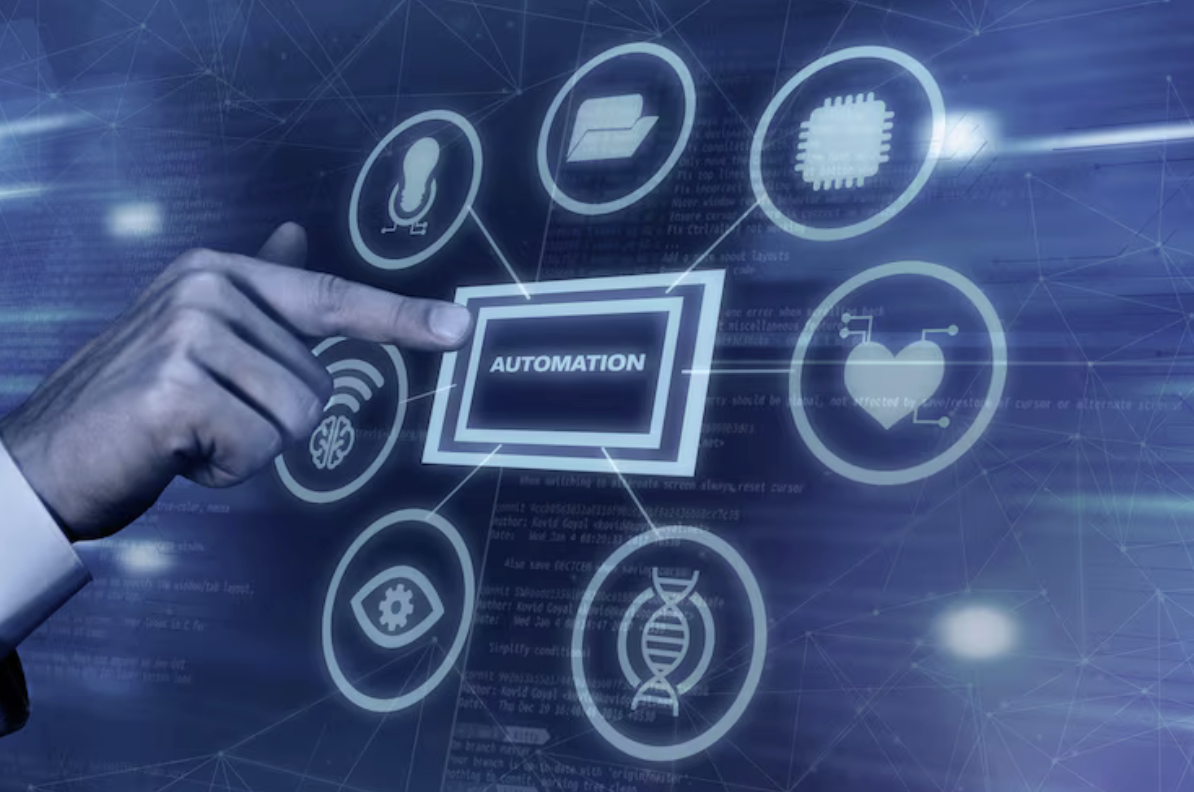
Modern supply chains might move physical goods at lightning speed, but the paperwork tracking them is often stuck in the past. If your procurement and accounting teams are still bogged down by manual data entry, your entire Procure-to-Pay (P2P) cycle is bleeding time and money.
The solution lies in rewiring your backend. In this guide, we map out the data entry automation enterprise framework. By breaking the P2P lifecycle down into four critical nodes—from the warehouse loading dock to final bank reconciliation, we will explore exactly how intelligent extraction tools can turn operational bottlenecks into a frictionless, real-time data pipeline.
How Does a Data Entry Automation Enterprise Secure the Logistics Chain?
A data entry automation enterprise system secures the logistics chain by replacing manual document handling with intelligent extraction. Using an automated data capture API, it instantly digitizes unstructured bills of lading and shipping receipts at the warehouse level, creating a real-time, transparent data flow that allows systems to proactively forecast demand.
The automation journey begins long before an invoice is paid. In modern warehouses, physical efficiency is driven by Automated Guided Vehicles (AGVs) that navigate via sensors. However, the flow of information is equally critical. The supply chain is historically cluttered with unstructured data sources like bills of lading and shipping receipts. By deploying intelligent document processing right at the loading dock, companies ensure that the digital record moves concurrently with the physical inventory, eliminating blind spots in the procurement lifecycle.
Why Do Traditional Purchase Order Workflows Cause Vendor Friction?
Traditional PO workflows rely on manual verification, which inherently causes vendor friction through high error rates and delayed approvals. A typo in a supplier name or a quantity mismatch leads to delayed payments, damaged relationships, and missed early-payment discounts, exposing the severe limitations of human-dependent procurement pipelines.
A critical intersection of goods and finance is the Purchase Order (PO). The legacy workflow, where an employee requests a purchase, management reviews it, and Accounts Payable eventually matches the invoice to the PO manually, which takes days to execute.
An upgraded data entry automation enterprise framework digitizes these records securely upon receipt. By utilizing multi-factor authentication and automated routing, organizations can dramatically reduce the purchase-to-pay cycle.
How Can a Financial Data Extraction Tool Streamline Accounts Payable?
A financial data extraction tool streamlines accounts payable by eliminating the labor-intensive process of manual invoice transcription. By leveraging an invoice OCR API, businesses can automatically map critical vendor data, such as net totals, line items, and due dates directly into ERPs, reducing data entry errors by up to 90%.
Accounts Payable is the final mile of the procurement ecosystem, and manual entry is its most expensive bottleneck, costing businesses an average of $5 per invoice in wasted labor. Whether processing B2B vendor invoices or scanning consumer receipts, machine-driven extraction ensures higher data fidelity. Machines do not suffer from fatigue, allowing human employees to shift from stressful, repetitive workloads to strategic vendor management and cash-flow analysis.
What is the Best Method for Xero Bank Reconciliation?
The best method for Xero bank reconciliation involves utilizing an OCR accounting automated workflow to verify transactions instantly. By deploying a bank statement converter, finance teams can transform unstructured PDF statements into structured JSON, allowing the accounting platform to automatically match ledger entries without human intervention.
For organizations operating on platforms like Xero or enterprise ERPs, real-time document extraction acts as an operational catalyst. Instead of spending hours matching physical bank statements against ledger entries, an automated pipeline handles the reconciliation in the background.
The Seamless Ecosystem
To thrive in a high-velocity market, businesses must view procurement not as a series of isolated steps, but as a continuous data pipeline. Adopting a comprehensive data entry automation enterprise strategy is no longer a luxury; it is the fundamental bridge between physical warehouse operations and crystal-clear financial reporting.