

ZUGFeRD & Factur-X: Your Guide to E-Invoice Compliance
Learn how ZUGFeRD & Factur-X simplify e-invoicing with PDF/XML formats. Ensure compliance with EN 16931 and streamline your invoicing process today.
ZUGFeRD and Factur-X are hybrid electronic invoice formats that combine PDF and XML files. ZUGFeRD 2.3 and Factur-X 1.0.07 are fully compatible and technically identical, based on the UN/CEFACT CII D22B standard.
These formats comply with the European standard EN 16931, which regulates electronic invoicing for public sector customers (B2G).
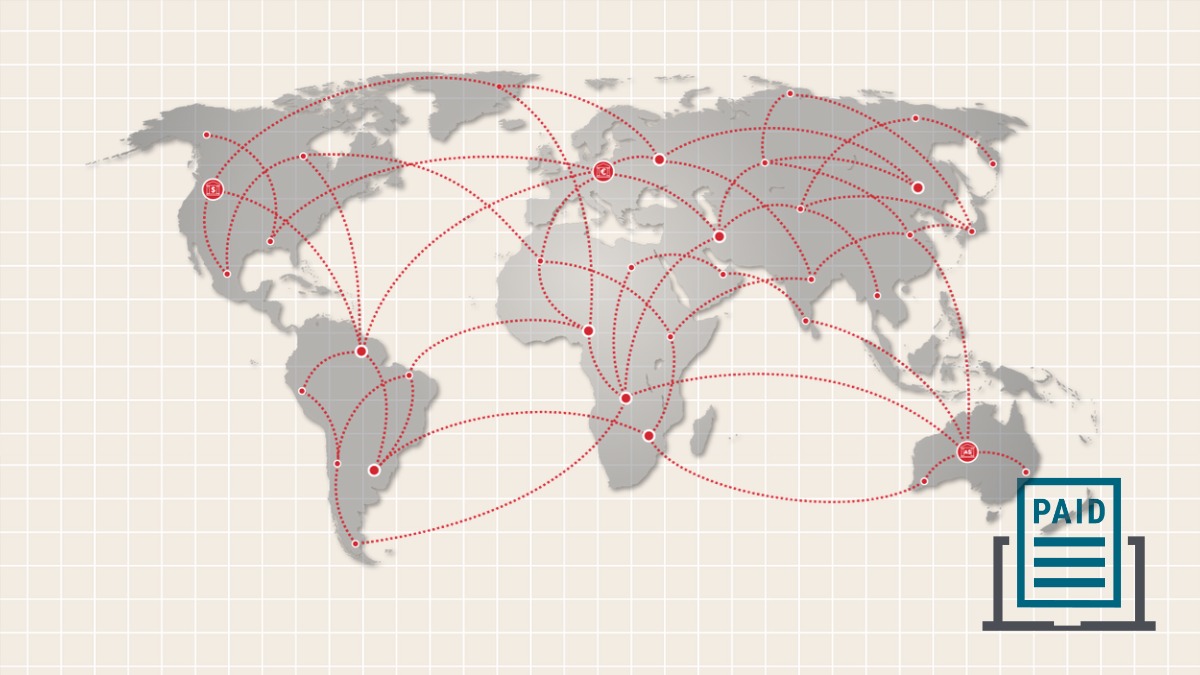
EN 16931: Standardizing electronic invoices worldwide.
Key Components of Compliant E-Invoices
To ensure compliance with ZUGFeRD and Factur-X standards, e-invoices must include:
- PDF/A-3 Format: The PDF part must conform to the PDF/A-3 standard (ISO 19005-3).
- Embedded XML: An XML file containing structured invoice data must be embedded within the PDF.
- Authenticity and Integrity: Measures to ensure the invoice’s authenticity and integrity, such as digital signatures.
- Standard Data Fields: Include mandatory fields as specified by EU Directive 2014/55, Article 6.
Compliance Checklist
Format and Structure
- Use the latest version of ZUGFeRD/Factur-X (currently 2.3/1.0.07).
- Ensure the invoice is in PDF/A-3 format.
- Embed a compliant XML file within the PDF.
- Adhere to the UN/CEFACT CII standard for XML structure.
Data Requirements
- Include all mandatory fields as per EU regulations:
- Process and invoice identifiers
- Invoice period
- Seller and buyer information
- Payee details
- Tax representative information (if applicable)
- Contract reference
- Delivery details
- Payment instructions
- Allowance or charge information
- Invoice line item details
- Invoice totals
- VAT breakdown
Security and Authenticity
- Implement digital signatures to ensure authenticity and integrity.
- Use secure transmission methods, such as end-to-end encryption.
Profiles and Compatibility
- Choose the appropriate profile (Minimum, Basic, Comfort, or Extended) based on your business needs.
- Ensure compatibility with both ZUGFeRD and Factur-X standards.
Legal and Regulatory Compliance
- Adhere to country-specific e-invoicing regulations.
- Comply with VAT/GST requirements in relevant jurisdictions.
- Maintain accurate records for audit purposes.
Implementing E-Invoice Compliance
To successfully implement e-invoice compliance:
- Partner with a reliable access point provider.
- Register on the appropriate e-invoicing network.
- Connect your accounting or billing software to the network.
- Regularly update your e-invoicing system to comply with the latest standards.
- Train staff on e-invoicing procedures and compliance requirements.
Addressing Common Challenges
When implementing e-invoice compliance, be prepared to address:
- Integration with existing financial systems
- Ensuring data accuracy and completeness
- Managing cross-border transactions and varying regulations
- Keeping up with evolving standards and requirements
By following this checklist and staying informed about the latest developments in e-invoicing standards, businesses can ensure compliance with ZUGFeRD and Factur-X requirements, streamline their invoicing processes, and maintain regulatory adherence across various jurisdictions.